
The Ethiopian Coffee Ceremony: Three Rounds, Served with Intention
The birthplace of coffee, Ethiopia, still honors its origins with a sacred ritual. This is not just brewing; it's a profound social anchor, served in three distinct rounds, exactly as it’s done in homes across the country.
The birthplace of coffee is Ethiopia, and its spirit still lives in the jebena. To understand coffee, you must understand its origins, not as a commodity, but as a cultural pillar. The Ethiopian Coffee Ceremony, or buna tetu, isn't an exotic performance; it’s a daily practice, a profound social anchor, executed with deliberate steps that reveal coffee’s soul, one roasted bean at a time. It’s a lesson in patience, respect, and community, unfolding over three distinct rounds.
Forget your espresso machine's pressure profiling or your pour-over's bloom phase for a moment. This ceremony strips away modernity, bringing you back to the plant itself. The host, almost always a woman, is the anchor of this ritual, guiding guests through an experience that can last hours. It starts with green beans and ends with a blessing, each step imbued with purpose.
The Ritual Begins: From Green Bean to Fragrant Cloud
The ceremony begins not with ground coffee, but with raw, unwashed green beans, often Ethiopian heirlooms like Yirgacheffe or Sidama, known for their floral and citrus notes. These beans are carefully washed, then placed in a flat pan, the menkeshkesha, over an open flame or charcoal brazier. The roasting is done by hand, slowly, evenly, until the beans achieve a medium-dark roast, their oils glistening. The aroma, sweet and earthy at first, intensifies into a rich, nutty perfume, passed around to each guest for appreciation. This act of smelling the roasting beans is crucial, signaling the start of the transformation.
Once roasted, the beans are cooled and then transferred to a wooden mortar and pestle, the mukecha and zenezena. The grinding is manual, rhythmic, and coarse – a grind similar to French press, allowing for a slower, fuller extraction in the traditional brewing pot. The coarse particles prevent over-extraction in the long brewing cycle, yet still allow the deep flavors of the freshly roasted beans to shine. This isn't about speed; it's about honoring the process, the community gathering around the grinding sounds.
The Jebena Takes Center Stage: Brewing the First Round (Abol)
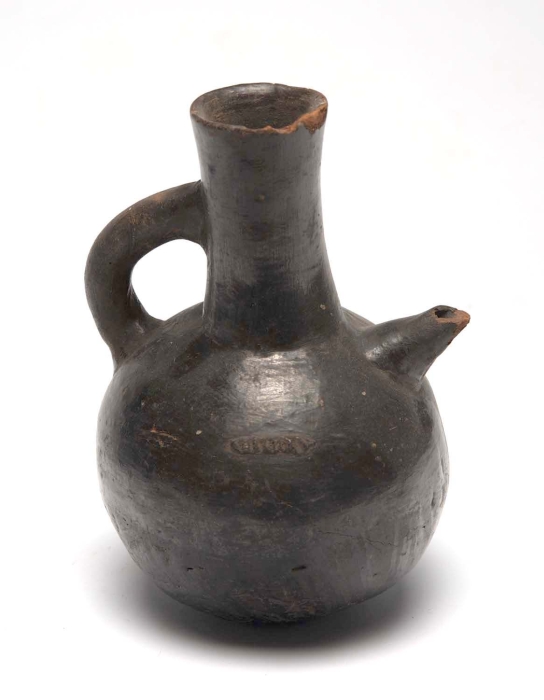
With the coffee ground, attention turns to the jebena, the traditional clay brewing pot with a spherical base, a long neck, and a pouring spout. Water is brought to a boil in the jebena over the heat source. Once boiling, the ground coffee is added directly to the water. A common ratio might be around 1:10 to 1:12 coffee to water by weight for the first brew. The jebena is allowed to boil again, rising and falling with the coffee, before being removed from the heat to settle for a few minutes. This allows the grounds to sink to the bottom, creating a natural filter.
The host then pours the coffee, slowly and gracefully, in an unbroken stream into small, handleless cups called finjal, arranged on a tray, the rekebot. Often, a filter made of horsehair or fine mesh is placed in the jebena's spout to catch any stray grounds. This first round is called Abol, strong and bold, a pure expression of the coffee's essence. Guests drink it black, or with a small spoon of sugar; milk is rarely used. While the coffee is served, frankincense (etan) is burned, its fragrant smoke mingling with the coffee aroma, a cleansing and welcoming gesture.
Three Rounds of Blessing: Abol, Tona, Baraka
The ceremony is defined by its three distinct servings, each offering a slightly different experience. After Abol, more water is added to the same grounds in the jebena, brought back to a boil, and served as the second round, Tona. This round is mellower, lighter, but still rich in flavor, having extracted the remaining soluble compounds from the coffee. It’s a gentler cup, inviting further conversation and contemplation. The subtle shift in flavor profile between Abol and Tona highlights the resilience of the beans and the depth of the extraction method.
Finally, a third addition of water and another boil yields Baraka, the blessing. This round is the weakest in terms of caffeine and intensity, but it carries the greatest symbolic weight. To drink Baraka signifies a blessing, a complete participation in the hospitality and good will of the host. It solidifies the bond, concluding the ritual with a feeling of peace and renewed connection. Each round, despite using the same grounds, offers a unique sensory journey, a testament to the versatility of the coffee and the method.
The Ethiopian Coffee Ceremony is more than just making coffee; it is a profound lesson in intentionality. It asks us to slow down, to engage our senses fully, and to appreciate the communal aspect of sharing a simple, yet sacred, beverage. There's no rush, no 'grab-and-go' efficiency here. Just the steady rhythm of fire, water, bean, and human connection. It reminds us that the best cup of coffee is often the one shared with deepest intention.
