
French Press Technique: The 4-Minute Rule and Why Most People Break It Without Knowing
The French press is deceptively simple: hot water, ground coffee, four minutes. Yet, most people get the last part wrong, often without realizing it, sabotaging their cup with unnecessary bitterness.
The French press is deceptively simple: hot water, ground coffee, four minutes. Most people get the last part wrong, often without realizing it, sabotaging their cup with unnecessary bitterness. This isn't about snobbery; it's about chemistry, and understanding how extraction works in one of coffee's most ubiquitous brewers.
The Four-Minute Mandate
The 4-minute rule is not an arbitrary suggestion; it's the sweet spot for maximum flavor development and minimal bitterness in a typical immersion brew. It's the point where desirable compounds—sweetness, acidity, body—are extracted optimally, and the less pleasant, bitter ones, which are slower to dissolve, are largely held back. This timing is contingent on a few critical variables:
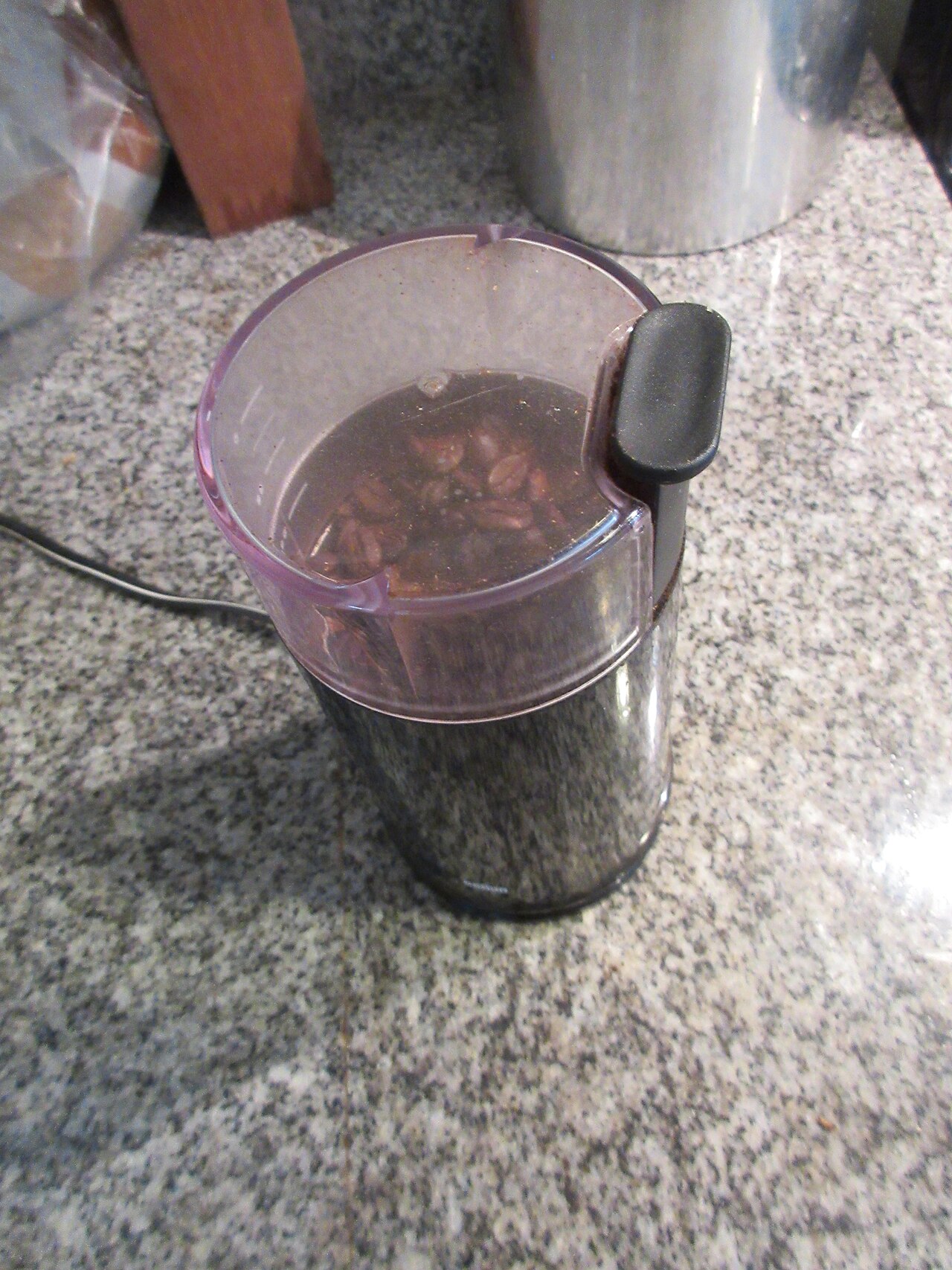
- Grind Size: Crucially, your coffee must be coarsely ground, resembling breadcrumbs or coarse sea salt. Too fine, and you’ll over-extract quickly, ending up with sludge and a harsh cup. A quality burr grinder, like a Baratza Encore, is non-negotiable here. Blade grinders produce inconsistent particle sizes, guaranteeing an uneven, muddled extraction.
- Water Temperature: Use water just off the boil, ideally between 200-205°F (93-96°C). Boiling water can scald the coffee, leading to a flat taste, while water that’s too cool will under-extract, leaving you with a sour, thin brew.
- Coffee-to-Water Ratio: A standard starting point is 1:15 or 1:16 (coffee to water by weight). For example, 30 grams of coffee to 480 ml of water (which is about 16 ounces). Measure your coffee and water with a digital scale for consistency.
When these parameters align, four minutes is enough time for the water to fully saturate the coarse grounds and dissolve the flavor compounds without dipping into over-extraction territory.
Why Most Cups Go Sideways
The primary culprit for violating the 4-minute rule is not necessarily the brewing time itself, but what happens *after* the plunger goes down. Many coffee drinkers press the plunger, pour a cup, and then leave the remaining coffee sitting in the press. This is a critical error. The immersion brewing process doesn't magically stop when the mesh filter descends. Coffee grounds are still in contact with the hot water, and extraction continues relentlessly.
What happens then? The longer the coffee sits, the more over-extracted it becomes. Those bitter compounds, which were just on the cusp of dissolving at the 4-minute mark, now fully unleash into your brew. The result is a cup that starts pleasant but quickly degrades into an acrid, mouth-drying experience with each subsequent pour. You might think your coffee simply got cold, but often, it's getting progressively more bitter.
Other common pitfalls include plunging too quickly, which can agitate the coffee bed and force fine particles through the filter, leading to a cloudy cup and gritty mouthfeel. Some forget to pre-heat the French press itself, allowing the cold carafe to drop the water temperature too rapidly for optimal extraction.
Brewing with Intent: A Step-by-Step
Mastering the French press requires discipline, but it’s a simple routine to adopt:
- Preheat: Fill your French press (a 34 oz Bodum Chambord is classic, or a Fellow Clara for thermal retention) with hot water for a minute or two, then discard.
- Add Coffee: Weigh your coarse grounds. For a 34 oz press, 50 grams is a good starting point. Place them in the preheated carafe.
- Pour Water: Start a timer. Gently pour 800 ml of 200-205°F water over the grounds, ensuring they are all saturated.
- Bloom (Optional but Recommended): After 30 seconds, give the slurry a gentle stir with a spoon. This ensures all grounds are fully immersed and evenly extracting.
- Steep: Let the coffee steep undisturbed for the remainder of the 4 minutes.
- Plunge: Once the timer hits 4 minutes, slowly and steadily depress the plunger. Aim for a smooth, even 20-30 second press from top to bottom. Avoid forcing it down quickly.
- Decant Immediately: This is the most crucial step. As soon as the plunger is fully down, pour ALL of the brewed coffee into a separate serving vessel—a warmed carafe, a thermos, or your immediate cup. Do not leave any coffee in the French press with the grounds.
Beyond the Plunge: The Decant is King
The act of decanting is what truly honors the 4-minute rule. It halts the extraction process, preserving the ideal flavor profile you worked to achieve. If you plan to drink multiple cups, a preheated thermal carafe will keep your coffee hot without over-extracting. Embrace the decant. It is the single biggest improvement you can make to your French press routine, transforming your brew from potentially good to consistently great. The best coffee is the coffee you control.
