
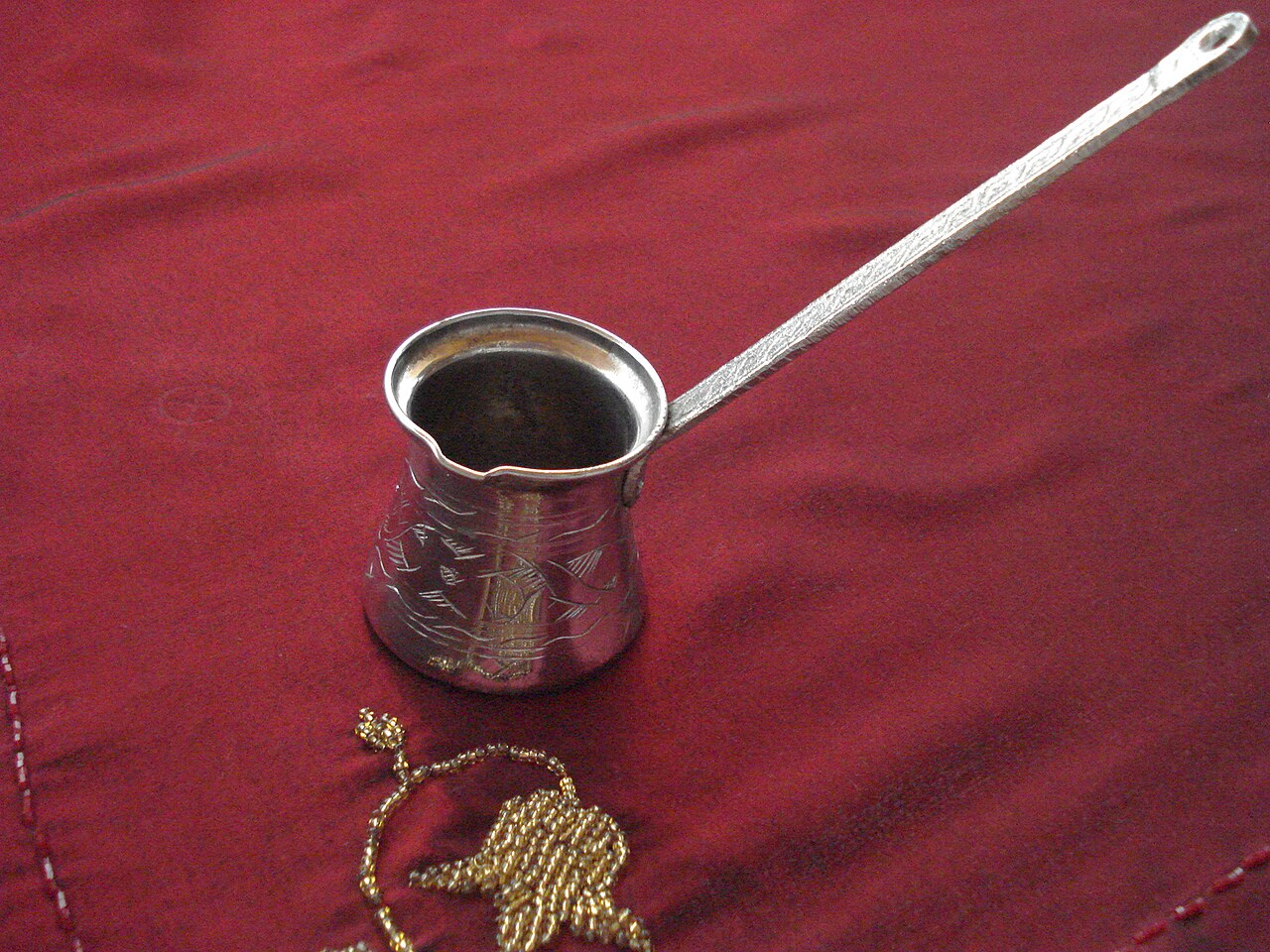
Turkish Cezve Coffee: Why the Three‑Boil Method Produces a Cup Nothing Else Can
The three‑boil technique extracts sugar, acidity, and body in a single ritual. Master it, and you’ll taste a Turkish coffee no other method can mimic.
The three‑boil method is the only way to coax the full character from a Turkish grind. In Istanbul’s historic cafés—like Çınaraltı in Kadıköy—baristas still swear by the ritual of heating, foaming, and reheating the brew three times before serving. The result is a cup that balances caramelized sweetness, a faint citrus edge, and a silken, unfiltered body that no pour‑over or espresso can replicate.
Why the Method Exists
Turkish coffee dates to the Ottoman courts of the 16th century, where a single‑pot brew served both as hospitality and as a test of skill. The three‑boil sequence emerged from practical constraints: wood‑burner stoves produced uneven heat, so the cook would lift the cezve, let the foam settle, then return it to the flame. Over time the ritual hardened into a technique that maximizes extraction from a grind that is finer than powdered sugar.
At a grind of 200 µm—roughly the texture of fine sea salt—water can’t pass freely through the coffee bed. The first boil pulls soluble sugars and aromatic oils to the surface, forming a thick foam called kaimak. The second boil drives the cup‑sized particles deeper, releasing a bright acidity that would otherwise stay locked in the grounds. The third boil finally emulsifies the suspended fines, creating the characteristic mouth‑coating texture.
Equipment and Ingredients
Use a 100‑ml copper cezve from Kaffekanne or a stainless‑steel model from Bodum. Copper conducts heat instantly, giving you tighter control over the rapid temperature spikes that define each boil.
Choose a single‑origin Arabica with a medium‑light profile—Ethiopia Guji 2023 from Heart Roasters works well. Its floral notes survive the high temperature, while its natural sugars become caramel‑like after the first boil.
Measure 7 g of coffee per 60 ml of water (a 1:8.5 ratio). Use water heated to 93 °C before it touches the cezve; the initial pour should be just off‑boil, not a rolling boil. This prevents premature scorching of the grounds.
Step‑by‑Step Execution
1. Combine coffee, cold filtered water, and a pinch of cardamom (optional) in the cold cezve. Stir gently—no vigorous agitation.
2. Place the cezve on a medium flame. Watch the mixture closely; as soon as the foam rises to the rim (about 30 seconds), remove it from heat.
3. First boil: Let the foam settle for 10 seconds, then return the pot to the flame. The foam will swell again; this is the sugar extraction stage.
4. Second boil: After the second rise, lift the cezve, let it rest 5 seconds, then re‑heat. The coffee will darken and the foam will become denser—this is the acidity being pulled out.
5. Third boil: The final heat burst creates a thick, velvet head. Once the foam reaches the brim a third time, remove the cezve and let it sit for 30 seconds before serving.
Pour the coffee into a demitasse without straining; the grounds settle at the bottom, forming the iconic “sludge” that signals a proper Turkish cup.
Cultural Context and Taste Profile
In Turkish homes, the three‑boil cup is served with a glass of water and a small sweet—lokum or a piece of baklava. The water cleanses the palate, while the sweet balances the coffee’s natural bitterness. In a traditional meyhane, the brew is paired with meze; the lingering body cuts through oily dishes.
Tasting notes are unmistakable: the first sip delivers a syrupy mouthfeel, a caramel backbone, and a subtle rose‑petal aroma. The mid‑palate reveals a bright, almost lemony acidity that lifts the heaviness. The finish is long, with fine sediment providing a gentle grit that invites a second sip.
No other method can reproduce that trifecta. An espresso extracts quickly, yielding crema but sacrificing the lingering grainy texture. A French press leaves too much sediment and misses the layered sweetness. The three‑boil cezve is the only process that builds complexity through controlled, sequential heat.
To experience the method fully, practice with a kitchen timer and a thermometer. Once you can predict the foam’s rise within a second, you’ll have internalized a centuries‑old craft.
Start tonight with a 2023 Guji, a copper cezve, and the three‑boil rhythm. The cup you produce will be a living link to Istanbul’s coffee houses, and a reminder that technique can shape flavor as profoundly as bean origin.
