
Vietnamese Phin Coffee: The Stainless Dripper, the Sweetened Condensed Milk, the Patience
Brewing Vietnamese coffee is a study in purposeful slowness. The stainless steel Phin dripper and its signature sweetened condensed milk create a strong, sweet cup unlike any other.
True Vietnamese coffee is an exercise in deliberate slowness. It demands patience. The reward is a cup of profound strength and syrupy sweetness, extracted drop by agonizing drop from a simple metal filter known as the Phin. This isn't coffee for the rush hour; it's coffee for savoring a moment, a conversation, or the slow unfolding of a morning.
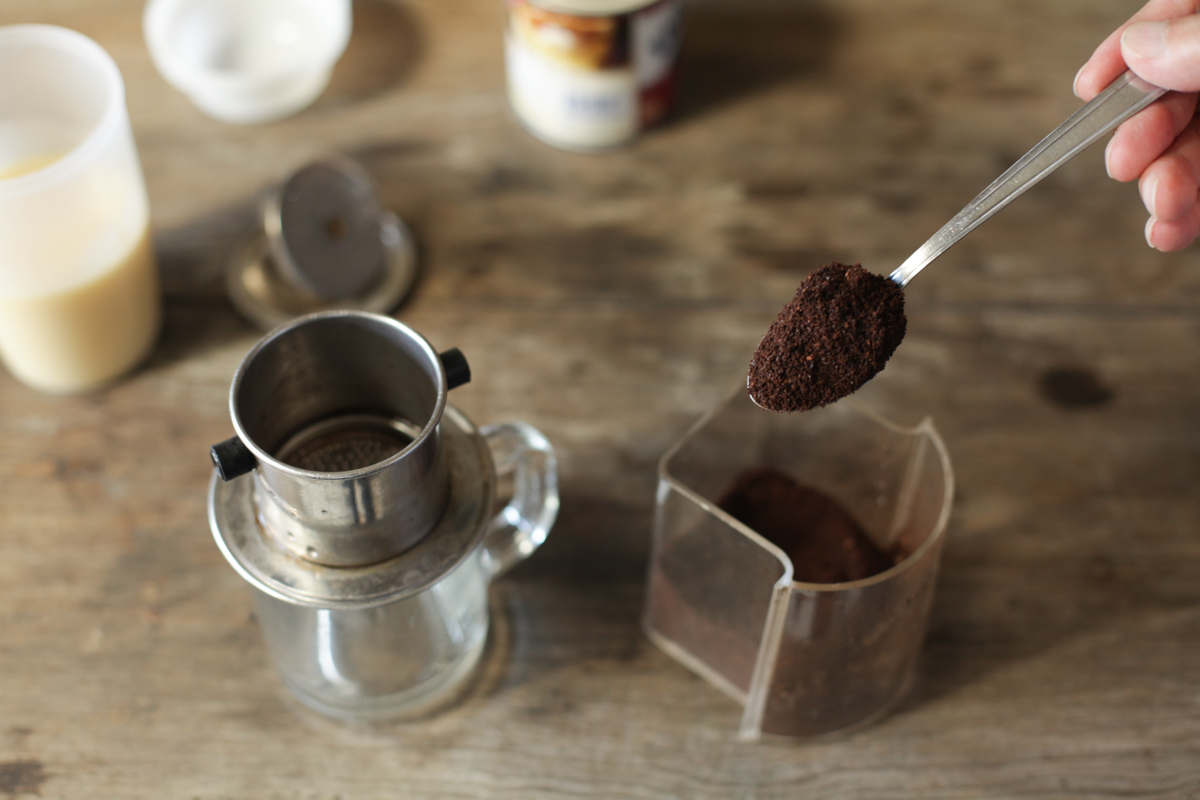
At its heart is the Phin itself: a small, gravity-fed filter made of three or four components – a filter plate that sits on your cup, a brewing chamber, a press or tamper that sits atop the grounds, and often a lid to keep the heat in. While aluminum versions are ubiquitous, we advocate for the stainless steel Phin. It’s more durable, easier to clean, and crucially, it retains heat more effectively, ensuring a consistent brew temperature throughout the extended drip. Aluminum can sometimes impart a faint metallic taste, especially with prolonged use and acidic dark roasts. Invest in stainless; it’s a minor upgrade that pays dividends in flavor and longevity.
The Coffee and The Condense
The coffee itself is traditionally robusta. Vietnam is the world's second-largest coffee producer, and robusta thrives in its climate. This isn't your delicate Ethiopian Yirgacheffe. Vietnamese robusta beans are known for their high caffeine content, bold flavor, and pronounced bitterness. They are often dark-roasted, sometimes with butter or other flavorings added during the roasting process, creating a distinctly rich, almost smoky profile. Look for beans specifically labeled as Vietnamese robusta or a robusta-heavy blend. Grind size is critical: aim for a medium-coarse grind, similar to sea salt or rough sand. Too fine, and it chokes the Phin; too coarse, and you'll under-extract.
Then there’s the sweetened condensed milk, or sữa đặc. This isn't just an additive; it's integral to the tradition. Historically, fresh milk was scarce and perishable in Vietnam, especially in rural areas. Condensed milk offered a preserved, shelf-stable, and highly caloric alternative. It provides the necessary sweetness to balance robusta’s inherent bitterness and adds a luxurious, velvety body that transforms the cup from merely strong to truly decadent. A typical serving uses a generous amount, about two to three tablespoons, spooned directly into the bottom of your glass.
The Ritual of the Drip
Brewing with a Phin is a ritual. Start by pre-warming your cup and the Phin components with hot water. This prevents thermal shock and ensures consistent extraction. Place your sweetened condensed milk into the bottom of the pre-warmed glass. Add 15-20 grams of your medium-coarse ground robusta coffee into the Phin chamber. Gently shake to level the grounds, then place the tamper/press on top, pressing down lightly but firmly. Do not overtamp; you want water to flow, not stall.
Heat your water to between 90-95°C (195-205°F). For the first pour, the bloom, drizzle just enough hot water over the press to wet all the grounds – typically 20-30ml. Wait 30 seconds. This allows the coffee to degas and prepares it for optimal extraction. After the bloom, slowly pour the remaining water into the Phin, filling it almost to the brim. For a single serving, a total water volume of 100-120ml is a good starting point.
The Patient Extraction
Now, you wait. The coffee will begin to drip, slowly, methodically, a dark, concentrated stream landing on the condensed milk below. This process should take anywhere from 5 to 10 minutes. If it drips too fast, your grind is too coarse or your tamp too light. If it takes longer than 10 minutes or stops completely, your grind is too fine or your tamp too heavy. Adjust accordingly for your next brew. The ideal result is a thick, almost syrupy concentrate that forms distinct layers with the white condensed milk.
Once all the coffee has dripped, remove the Phin. Stir the dark coffee and condensed milk vigorously until fully combined. The resulting beverage, cà phê sữa đá (iced coffee with milk) or cà phê sữa nóng (hot coffee with milk), is ready. Served over ice, it’s refreshing and invigorating; served hot, it’s comforting and robust. The balance of robusta’s intense bitterness with the cloying sweetness of the condensed milk is what makes Vietnamese Phin coffee so uniquely satisfying. It’s a testament to the fact that sometimes, the best things in coffee require a little more time.
