
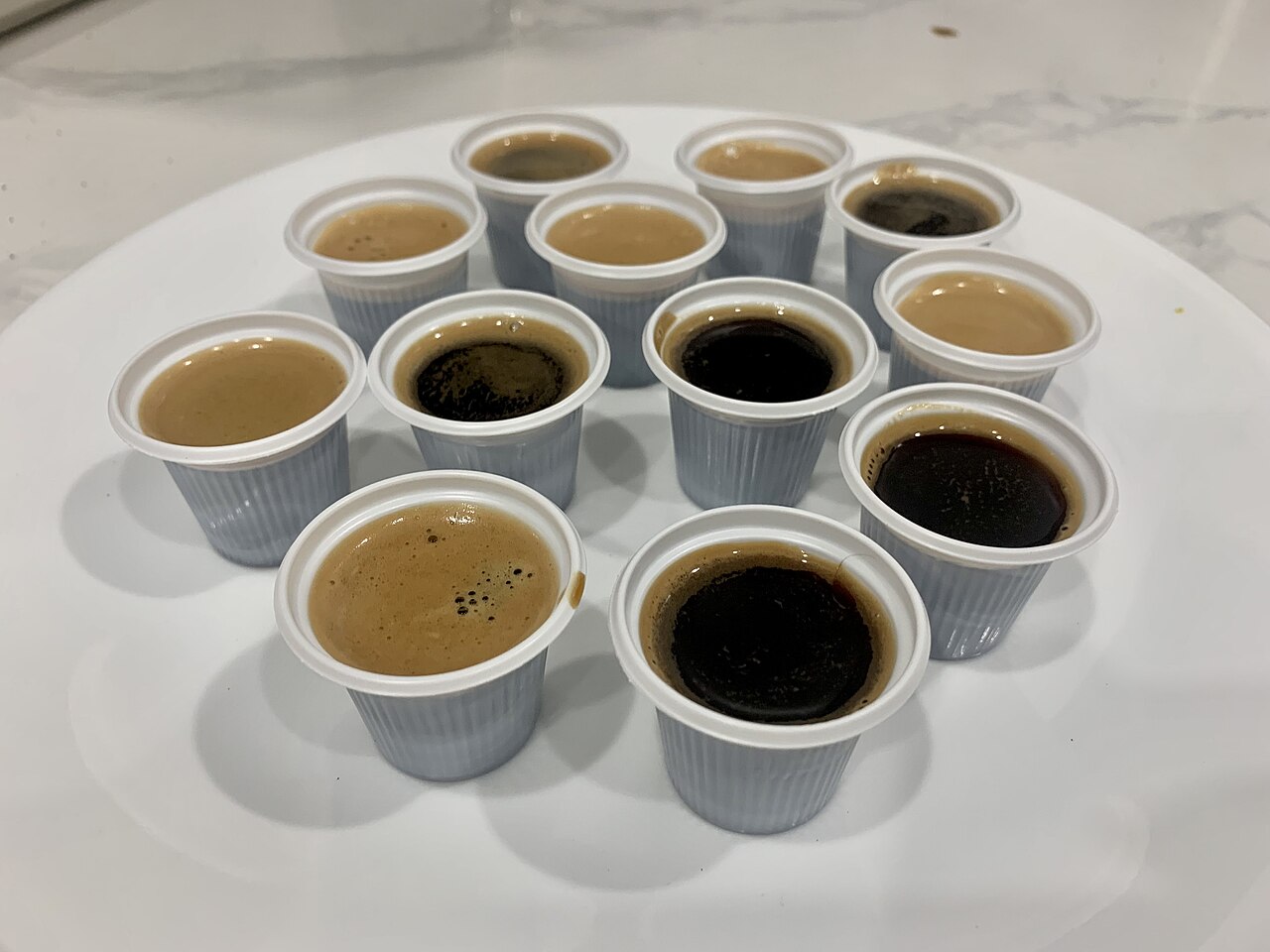
The first shot of a Cuban cafecito defines everything that follows. In Havana’s corner cafés, baristas pull a thin espresso, swirl it with granulated demerara, and watch a glossy espuma rise. That foam isn’t decorative; it’s the engine that carries the coffee’s acidity, sweetness, and body into the final demitasse.
Why the “thin” shot matters
Unlike the Italian ristretto, the Cuban first pull is deliberately under‑extracted. Baristas aim for a 1:2 brew ratio—about 18 g of coffee to 36 ml of liquid—at 93 °C (200 °F). The grind sits just finer than sea‑salt; too fine and the water chokes, too coarse and the crema collapses. Extraction time hovers between 18 and 22 seconds. The result is a bright, low‑volume shot with a thin, honey‑colored crema that can hold a spoonful of sugar without dissolving immediately.
Whipping the espuma
Immediately after the shot, a stainless‑steel spoon (the classic cucharita) is dropped into the demitasse. One heaping teaspoon of demerara—about 5 g—goes in first, then the hot espresso is poured over it. The spoon is whisked vigorously for 5‑7 seconds, creating a thick, caramel‑gold foam. The rapid agitation forces the sugar to dissolve while trapping air bubbles, giving the cafecito its signature velvety mouthfeel.
Temperature is critical. If the espresso is below 80 °C, the sugar crystals won’t dissolve and the foam will be grainy. If it’s above 95 °C, the foam collapses into a watery slurry. The ideal window is 85‑90 °C, which the barista can gauge by the steam from the espresso machine’s group head.
Equipment that honors the ritual
Traditional Cuban cafés still use a La Marzocco Linea Mini for consistency, but the espresso itself is brewed on a 58‑mm portafilter fitted with a pressurized basket. The pressurized basket compensates for minor grind variance, ensuring a steady crema even in high‑traffic spots like Café El Escorial in Old Havana.
For home enthusiasts, the Breville BES870XL offers a reliable temperature probe and a 54‑mm basket that mimics the commercial experience. Pair it with a stainless‑steel 58‑mm tamper from Espro and a ceramic burr grinder such as the Baratza Forte. The grinder’s micro‑adjustment dial lets you fine‑tune the texture between 0.3 mm (for a thin shot) and 0.5 mm (for a richer second pull).
The second pull: building the cafecito
After the espuma is ready, the barista pulls a second, slightly longer shot—typically 1:2.5 ratio, 20 seconds, using the same grind but a slightly coarser setting (around 0.45 mm). This shot pours directly into the whipped foam, merging the bright acidity of the first pull with the syrupy depth of the second. The resulting cup is about 30 ml, served in a demitasse with a small metal stirrer.
The ritual doesn’t end at the cup. In Cuban households, the cafecito is offered to guests within seconds of preparation, a gesture of hospitality that signals respect and community. The rapid service is possible only because the first shot’s crema holds the sugar, preventing a sticky mess and allowing the barista to move on to the next order.
Putting it into practice
To replicate the authentic experience, start with a high‑altitude Arabica from the Sierra Maestra region, roasted light‑medium by Café Pilón. Dose 18 g, grind fine, and pre‑heat your portafilter for 30 seconds. Pull the first shot into a pre‑warmed demitasse, add 5 g demerara, and whisk for exactly 6 seconds. Then pull the second shot with a slightly coarser grind and merge it into the foam.
The payoff is immediate: a café‑style shot that balances bitterness and sweetness without any artificial flavoring. The crema remains glossy, the espuma thick, and the aftertaste lingers like caramelized cane. Mastering the first thin shot is the key; everything else follows.
Make this ritual a daily habit. The consistency of temperature, grind, and timing will turn a simple espresso into a cultural statement. Your kitchen can become a Cuban corner café—one demitasse at a time.
