
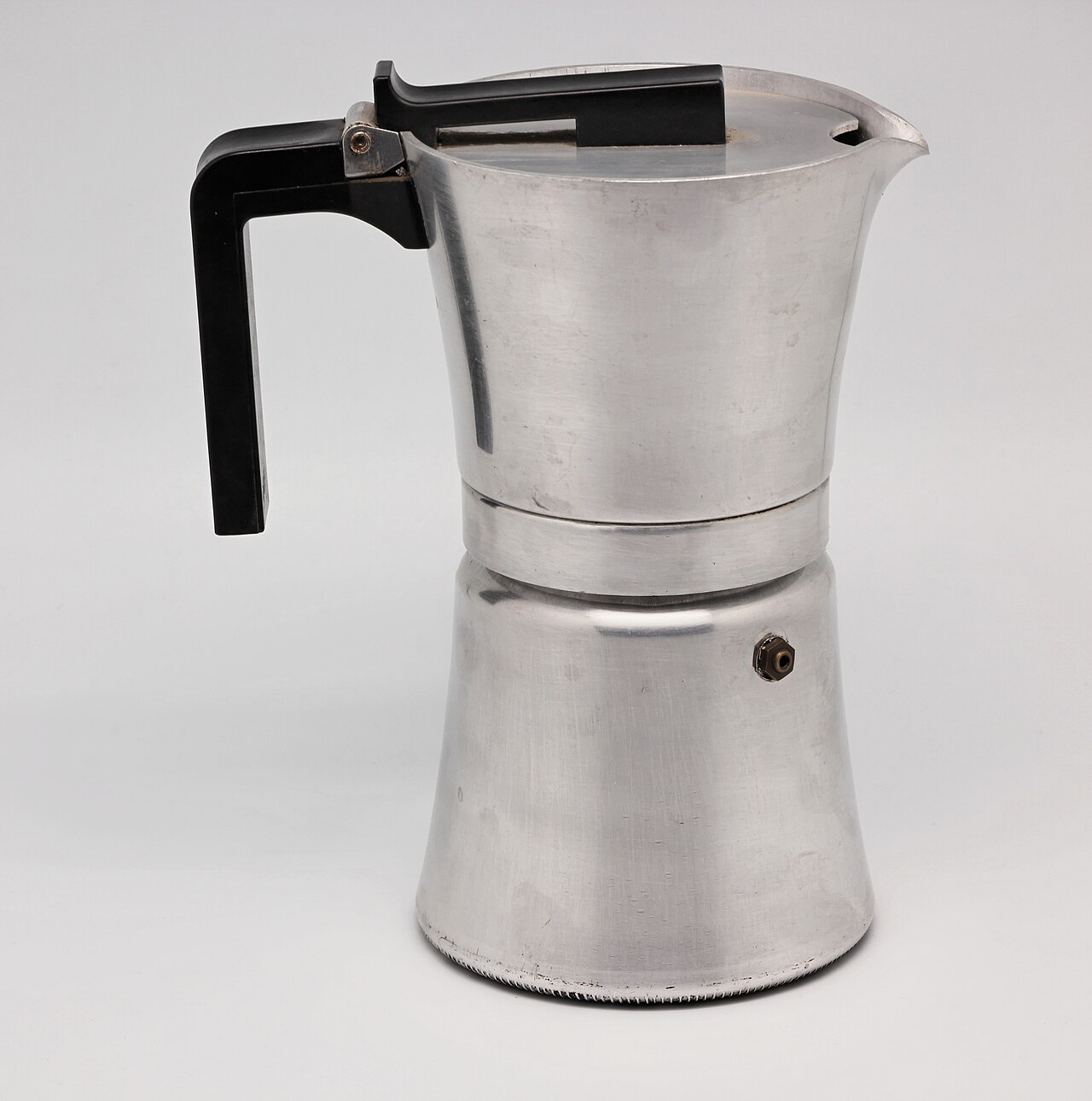
The Moka Pot is more than just a brewing device; it's a fixture in kitchens from Palermo to Brooklyn, a daily ritual for millions. But the choice between aluminum and stainless steel is not merely aesthetic. It defines the flavor, longevity, and versatility of your daily stovetop espresso.
The Traditionalist's Choice: Aluminum
Aluminum is the original Moka Pot material. Alfonso Bialetti first cast his iconic design in aluminum in 1933, and it remains the most common and recognizable version today. Its appeal is clear: aluminum heats quickly and evenly, distributing heat rapidly to the water reservoir. This fast heat transfer is crucial for the Moka Pot's pressure-driven extraction, helping to produce that characteristic strong, concentrated coffee.
However, aluminum is a reactive metal. Over time, it can oxidize, particularly if not cleaned properly or if harsh detergents are used. This oxidation can impart a metallic or bitter taste to the coffee, especially with acidic beans or if coffee sits in the pot for too long after brewing. Traditionalists often advise against using soap at all, preferring a simple rinse with water to allow the pot to develop a protective patina of coffee oils, believed to enhance flavor. This patina, while culturally significant, does trap residue, making thorough cleaning a challenge. Aluminum pots are also not induction cooktop compatible and are prone to staining and pitting.
The Modern Challenger: Stainless Steel
Stainless steel Moka Pots offer a different proposition. Brands like Alessi, Ilsa, and even Bialetti's own Moka Induction series produce stunning, durable stainless steel versions. The primary advantage here is stainless steel's non-reactive nature. It won't impart off-flavors to your coffee, regardless of bean acidity or cleaning method. This means a consistently clean cup, allowing the true nuances of your coffee to shine through.
Stainless steel is also significantly more durable and resistant to corrosion, pitting, and staining than aluminum. You can put it in the dishwasher (though we still recommend hand washing for any coffee gear). Crucially, most stainless steel Moka Pots are induction compatible, broadening their usability in modern kitchens. The downside? Stainless steel takes longer to heat up and distributes heat less rapidly than aluminum. This can lead to a slightly longer extraction time, and if not managed carefully, can result in over-extraction or a less intense brew if you’re used to the aluminum's aggressive heat.
How Material Impacts Your Brew (and Your Taste)
The material of your Moka Pot directly influences the thermal dynamics of the brewing process. With an aluminum pot, the rapid heat transfer means the water in the lower chamber reaches boiling point and generates pressure quickly. This rapid pressure build-up can lead to a more intense, sometimes slightly harsher extraction, characteristic of traditional Moka Pot coffee. We recommend using pre-heated water in the reservoir to mitigate this, reducing the time the coffee grounds are exposed to heat before extraction begins.
For a stainless steel pot, the slower heat transfer demands a more patient approach. Start with cold water and allow the pot to come to temperature gradually on medium heat. This slower ramp-up can result in a smoother, more balanced extraction, provided you pull it off the heat as soon as the gurgling begins. The typical grind for a Moka Pot is medium-fine—finer than a French press, but coarser than true espresso. A good ratio to start with is filling the filter basket to the brim with finely ground coffee (around 18-20g for a 6-cup pot), leveled but not tamped, and filling the water reservoir just below the pressure valve.
The Verdict: Choose Your Fighter
So, which Moka Pot is superior? It depends on your priorities. For those who value tradition, rapid brewing, and the distinct, robust flavor profile that has defined Italian coffee culture for decades, the classic aluminum Moka Pot, like the Bialetti Moka Express, remains the champion. It requires more mindful cleaning but rewards with authenticity.
However, for a cleaner taste, unmatched durability, ease of cleaning, and induction compatibility, the stainless steel Moka Pot is the clear winner. It offers a more versatile and less reactive brewing surface, capable of producing excellent, consistent coffee that highlights bean origin rather than metallic undertones. Your choice dictates not just the look of your gear, but the very character of your morning cup. Choose wisely, brew well.
