
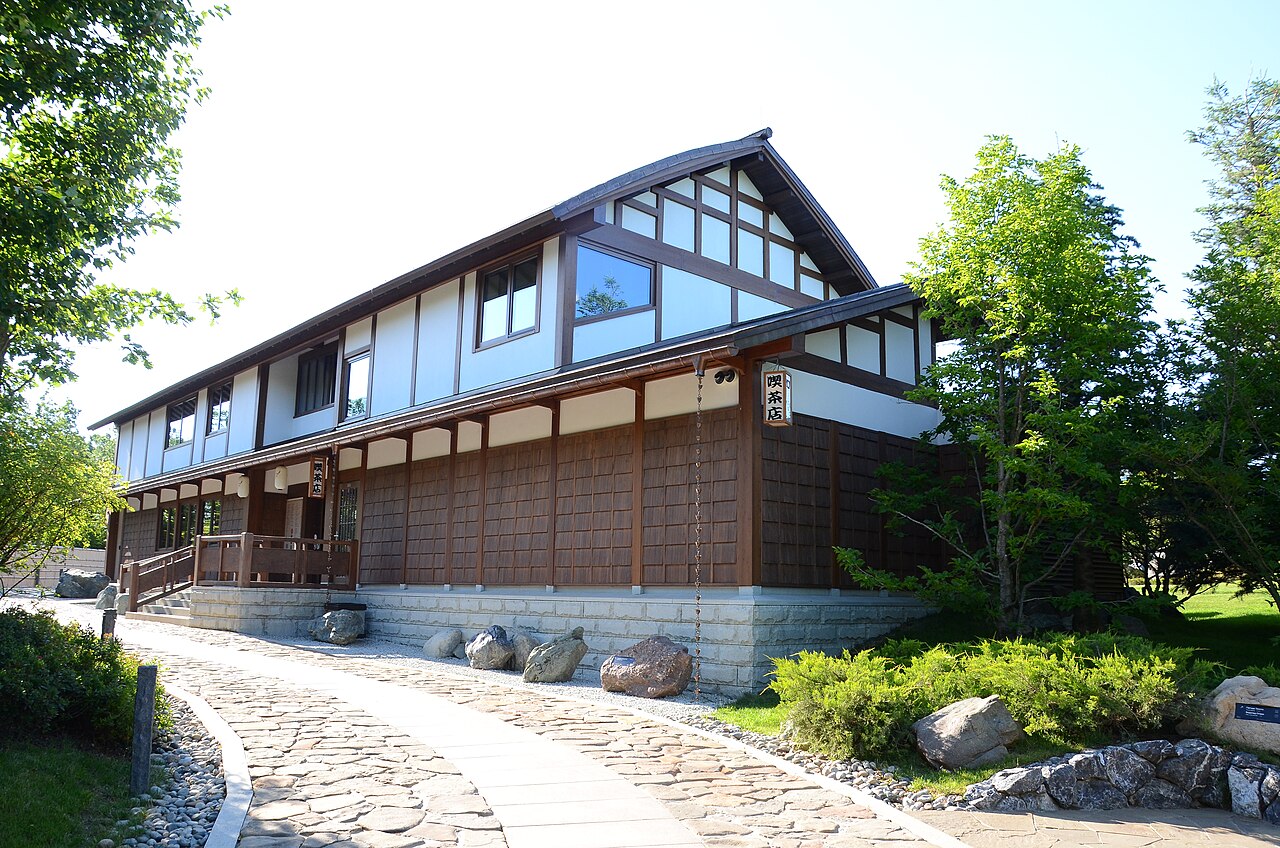
In an era demanding instant gratification, the Japanese kissaten stands as a quiet defiance. These traditional coffee houses are not about efficiency or speed. They are about time. They are about the meticulous, slow creation of a single cup of coffee, an experience designed to be savored over an entire afternoon.
The Philosophy of Time and Precision
The kissaten embodies shokunin, the Japanese artisan's relentless pursuit of perfection. This philosophy translates directly to the brew. Walk into a kissaten like Café de l'Ambre in Ginza, established in 1948, and you will observe a reverence for process that borders on ritual. Most kissaten favor pour-over methods, typically using ceramic drippers like the Hario V60 or the Kalita Wave. The barista, often the proprietor for decades, starts with beans roasted to a rich, dark profile—often aged Indonesian Mandheling or a deep Brazilian natural processed coffee. These are ground just before brewing to a medium-fine consistency, similar to coarse sand.
Water temperature is critical, maintained precisely between 90-94°C (195-200°F). The pour is slow, deliberate. A careful bloom, wetting all the grounds evenly, lasts 30-45 seconds, allowing the coffee to degas. Then, water is introduced in a series of slow, concentric circles, ensuring an even extraction. The goal is a consistent flow rate, achieving a brew ratio often around 1:15 or 1:16 (15-16 grams of water for every gram of coffee) over a total extraction time of 2.5 to 3 minutes. This method extracts depth, body, and a clean finish, leaving no room for bitterness.
The Ambience: A Stage for Solitude
The coffee is only half the experience. A kissaten is a sanctuary, a third space distinct from home or work. Dim lighting, dark polished wood, plush velvet seating, and the quiet murmur of jazz or classical music set the tone. Historically, cigarette smoke was part of the atmosphere, though this has largely faded in newer establishments. These spaces are designed for contemplation, for quiet reading, for unhurried thought. Unlike many modern cafes that buzz with laptop users and rapid conversation, a kissaten encourages solitude. Phones are often silenced, if not put away entirely. It’s an unspoken agreement among patrons to respect the quiet, the pause. Meikyoku Kissa Lion in Shibuya, a classical music kissaten, exemplifies this: patrons sit in hushed reverence, facing massive speakers, lost in the music and their meticulously prepared cup.
The Ritual: More Than Just a Drink
The act of drinking coffee in a kissaten is itself a ritual. The coffee is served in heavy, elegant porcelain cups, often pre-warmed. A small, delicate spoon rests on the saucer. There is no rush to finish. The coffee arrives, hot and aromatic, and you are expected to spend time with it. To appreciate its layers, its aroma, its lingering finish. This isn't grab-and-go. This is sit-and-stay. It’s a deliberate deceleration of life, a conscious decision to engage all senses with a simple, profound pleasure.
The focus isn't on novelty flavors or speed, but on perfecting the fundamentals, on elevating the inherent qualities of the bean through careful technique. This approach offers a powerful lesson for any coffee enthusiast. It challenges the notion that better coffee means faster coffee or more complicated gadgets. Instead, it champions patience, precision, and presence. Understanding the deliberate steps, controlling your water temperature, perfecting your pour, and giving your cup the time it deserves will transform your daily coffee from a habit into a profound pleasure.
