
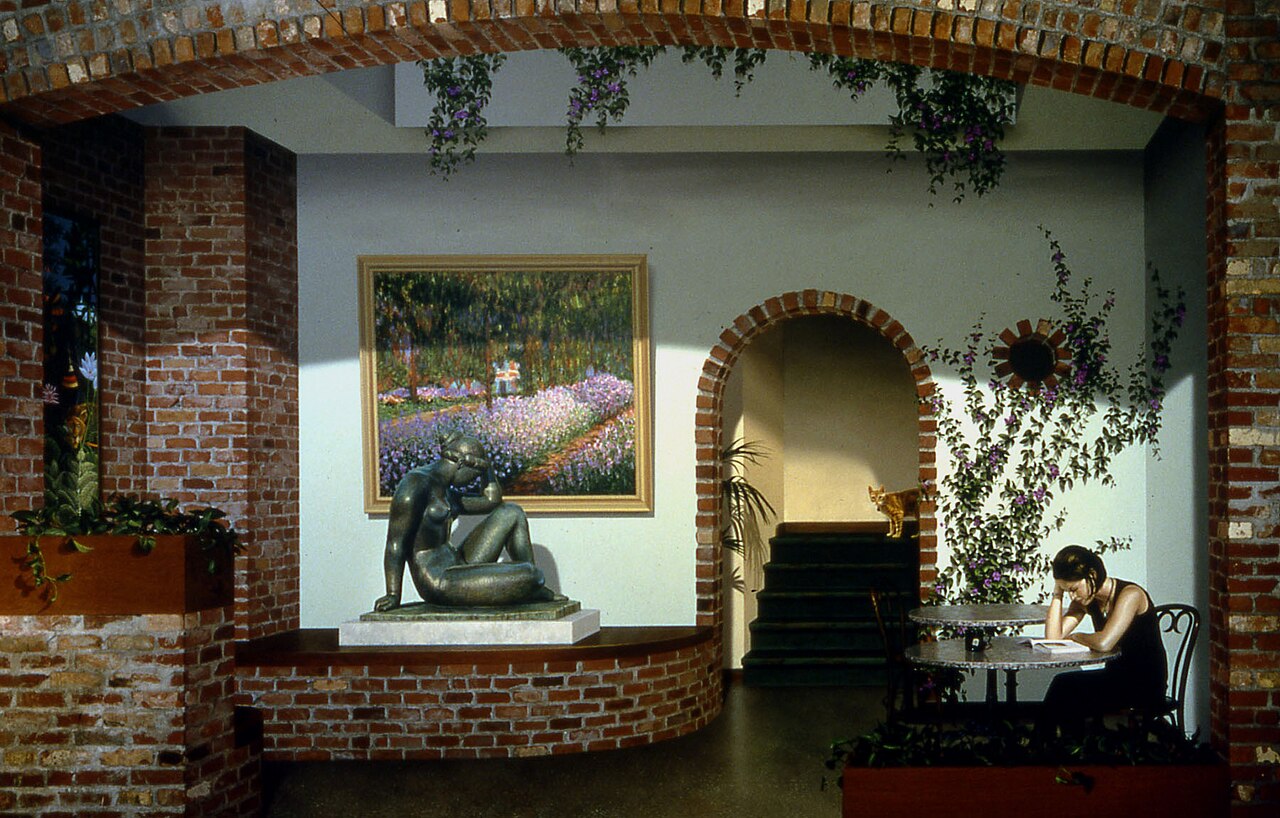
The Parisian café is more than a place for coffee; it is a stage, a confessional, a silent library, and a bustling office. But to truly engage with its ritual, one must understand its language, especially when ordering coffee. Forget your American lattes or elaborate cold brews; Parisian coffee culture is concise, traditional, and demands precision in your request.
It starts with the bean. French roasters, often emulating the Italian tradition, favor dark roasts, frequently incorporating robusta for a strong crema and a persistent finish. The grind is fine, almost powdered, critical for the high-pressure extraction that defines their core offering. Water temperature hovers around 92-95°C (198-203°F), a standard for optimal espresso extraction.
The Express: The Heartbeat of Paris
When you ask for a “café” in Paris, you are asking for an express. This is the bedrock of French coffee culture, an ode to Italian purism. It is a single shot of espresso, 30-35ml, extracted under 9 bars of pressure in 25-30 seconds. The result is a concentrated, aromatic shot topped with a rich, reddish-brown crema, served in a demitasse cup, often with a small square of dark chocolate or a speculoos biscuit.
This isn't a coffee to linger over. Parisians drink their express quickly, sometimes standing at the bar, a brief, potent jolt to punctuate the day. It’s a digestive after lunch, an awakening in the morning. To extend an express with water is to create a café allongé, or what Americans might recognize as an Americano, but it’s a distinct order. Never ask for a “shot of espresso”; just “un café” or “un express,” pronounced *ex-press*, with the emphasis on the second syllable.
The Noisette: A Touch of Color, Not Flavor
The noisette is often misunderstood by visitors. It translates literally to “hazelnut,” leading many to expect a flavored drink. This is incorrect. A noisette is an express with just a dollop of steamed milk or foam, enough to tint the coffee to the color of a hazelnut. There is no hazelnut syrup involved. It’s for those who find a straight express too intense but still want the coffee to be the dominant flavor.
The preparation is simple: a standard express, followed by a small spoon of frothed milk from the steam wand. The volume remains small, still served in a demitasse. It's a subtle concession, a slight softening of the espresso's edge without diluting its character. Think of it as a micro-macchiato, but with a uniquely French name that speaks to visual nuance rather than a specific milk ratio.
The Grand Crème: The Morning Ritual
If you crave a milky coffee, the grand crème is your order. This is the Parisian equivalent of a latte or cappuccino, though it is distinctly its own. It is typically a double express (or a lungo for a larger base) combined with a generous amount of steamed milk, topped with a cap of foamed milk. It arrives in a wider, often handle-less bowl-cup, designed for a more leisurely morning indulgence.
Crucially, the grand crème is almost exclusively a breakfast drink, served with your croissant or pain au chocolat. Ordering one after noon often signals you are not local. The milk is hot, creamy, but the espresso flavor remains prominent, not entirely drowned out. The milk is steamed to roughly 60-65°C (140-150°F), never scalding, allowing the sugars in the milk to complement the coffee's bitterness without curdling or burning. It is designed for sipping, for starting the day, not for an afternoon pick-me-up.
Ordering with Confidence: Beyond the Basics
Beyond these three staples, you might encounter a café serré, a ristretto – a shorter, more concentrated express. Or a café déca for decaf, although the French often view decaf with a degree of skepticism. The key is to be clear, direct, and avoid elaborate requests. The Parisian café thrives on efficiency and tradition.
Understanding these terms is not just about getting the right drink; it’s about engaging with a profound cultural institution. It shows respect for the ritual, for the craft that goes into each cup, and for the pace of life that flows through these iconic establishments. Next time you're in Paris, approach the counter, make eye contact, and order your preferred coffee with the confidence of a regular. You’ll find the experience changes entirely.
