
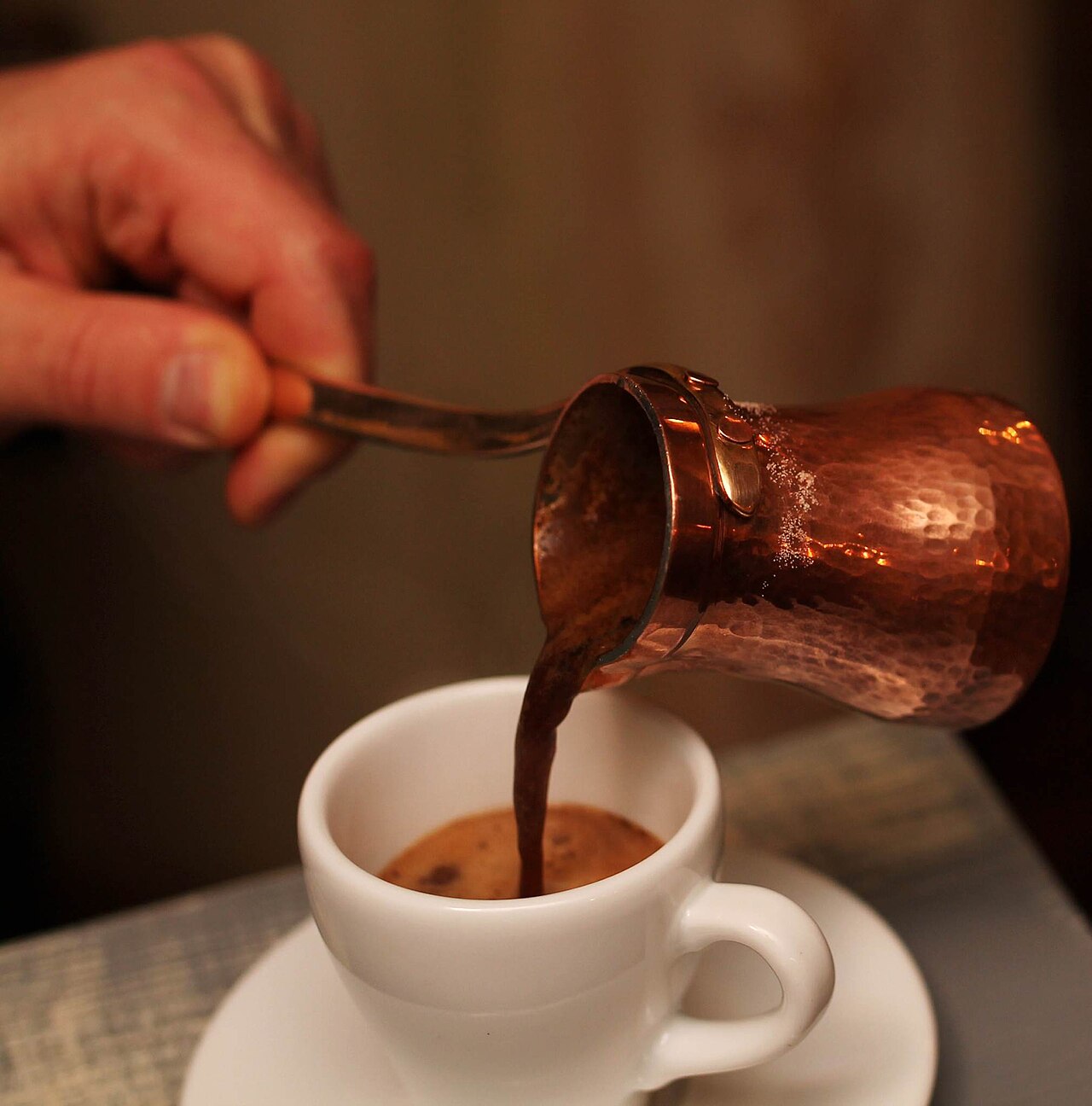
True Turkish coffee, made in a traditional copper cezve, defies most modern brewing wisdom by not just tolerating, but embracing the boil. This isn't an accident; it's a deliberate technique, perfected over centuries, that coaxes a unique depth and body from coffee grounds unmatched by any other method. The heart of it lies in the meticulous three-boil process, a ritual that elevates a simple cup into a profound experience.
The Core Principle: Progressive Extraction and Köpük
The foundation of Turkish coffee is an incredibly fine grind. We’re talking finer than espresso, almost like powdered sugar or flour. This ensures maximum surface area for extraction, but it also means the coffee is meant to be consumed with the grounds largely suspended, creating a thick, silty mouthfeel. The cezve itself, traditionally copper with a long handle, is crucial. Copper's superior thermal conductivity allows for precise, responsive heat control, vital for managing the fragile foam, or köpük, that is the hallmark of a well-made cup. Cold water is paramount, as it allows for a slower temperature ramp-up, facilitating a more even extraction and the formation of that rich, persistent foam.
The Three-Boil Method, Step-by-Step
This method is a dance of heat and time, extracting the maximum flavor while building a beautiful crema. Start with a ratio of approximately 7 grams of coffee per 70ml of cold water. If adding sugar or cardamom, mix it directly with the coffee grounds in the cezve before adding water.
- First Boil: Combine your finely ground coffee (and any sugar/spices) with cold water in the cezve. Place it over medium-low heat. Do not stir. As the coffee heats, a dark foam will begin to form on the surface. Watch it intently. Just as the foam rises to the brim of the cezve, threatening to overflow, remove it from the heat. This first rise builds the essential köpük. Carefully spoon a dollop of this foam into each serving cup (fincan).
- Second Boil: Return the cezve to the heat. Allow it to rise again, just as before. Once it reaches the brim, remove it immediately. This second boil further develops the coffee's body and extracts more solubles, while reinforcing the remaining foam.
- Third Boil: For the final pass, return the cezve to the heat one last time. Let the coffee rise to the top again. As it crests the brim, remove it for the final time. This last heat cycle ensures a robust extraction and integrates the flavors fully.
After the third boil, let the cezve rest for 30-60 seconds off the heat. This allows the suspended grounds to settle to the bottom. Pour slowly and carefully into your small cups, trying not to disturb the settled grounds too much. The ideal cup will have a thick layer of rich, dark foam on top, a testament to proper technique.
Beyond the Foam: What You Taste
A properly prepared Turkish coffee is an intense experience. The three-boil method creates a cup with incredible body, almost chewy, and a profound, concentrated flavor profile that no filtered coffee or even espresso can replicate. The repeated heating cycles, far from burning the coffee, actually contribute to a unique caramelization and a reduction of certain acidic compounds, resulting in a naturally sweet and exceptionally smooth finish, despite its strength. You will notice a persistent silt at the bottom of the cup; this is expected and part of the tradition. It's not just a drink; it's a moment, often shared in places like Istanbul's Grand Bazaar or a quiet café in Sarajevo, where it’s known as Bosanska kahva. The intensity, the ritual, and the sheer tactile experience of the foam and the weighty liquid make it uniquely satisfying. For bean choice, a medium-dark roast of a robust Central American or a full-bodied Brazilian Santos bean performs exceptionally well, delivering the necessary richness to stand up to the process.
Embrace the boil. Master the three rises. The result is a cup of coffee that speaks to centuries of tradition and offers a depth of flavor and texture that is truly in a class of its own. It is a cup that demands your attention, rewarding it with an incomparable richness.
